Advertisement
Agniveer Two-Year Extension: Cabinet Approves Second Tour of Duty for 75% of Agniveers
News2026-11-04
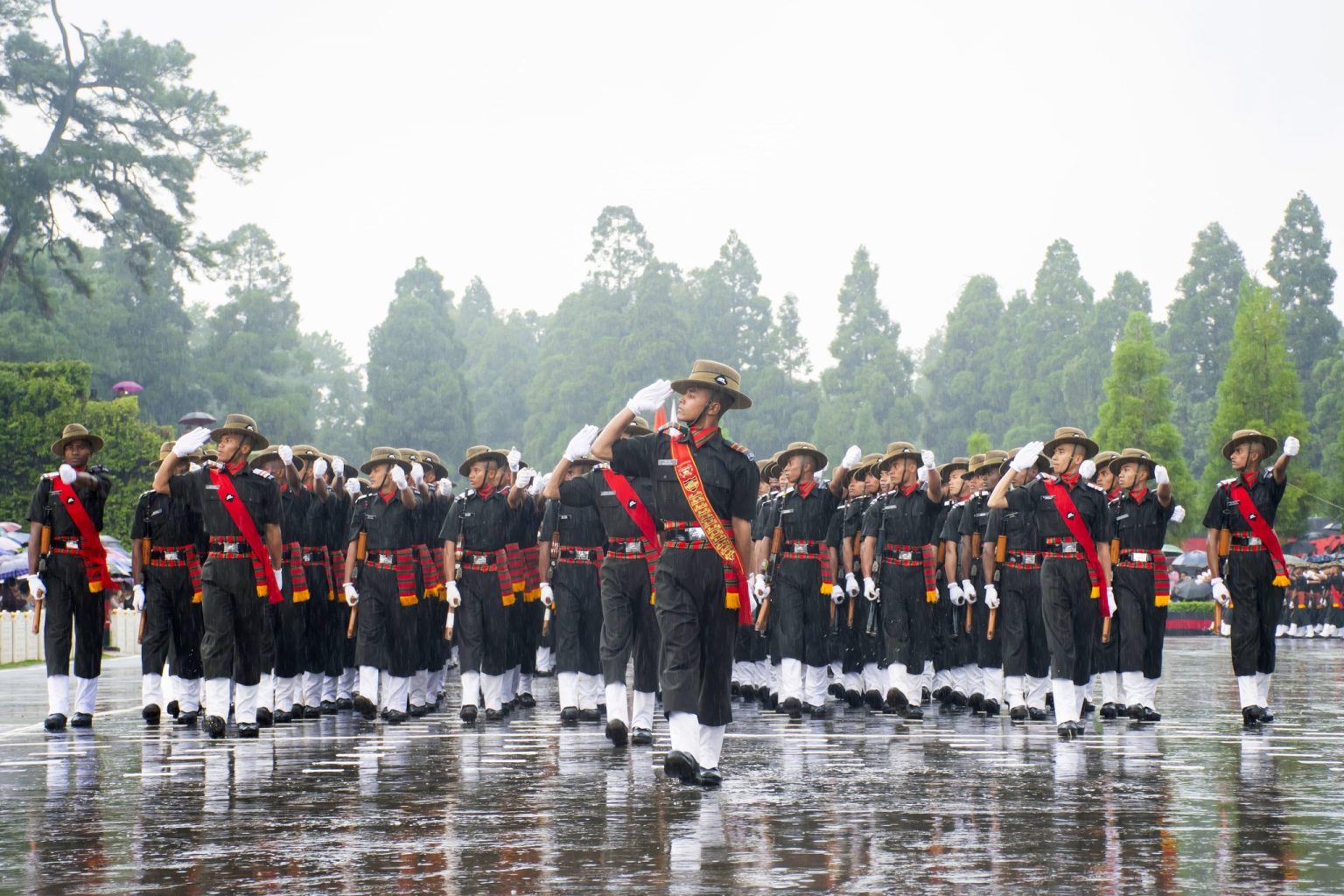
Agniveer two-year extension: the Union Cabinet on Wednesday, November 4, 2026, approved a major overhaul of the Agnipath scheme, offering a two-year Second Tour of Duty to the 75% of Agniveers who were due to leave the armed forces after completing their four-year tenure. The decision was announced by Chief of Defence Staff General N.S. Raja Subramani, who said the Cabinet had created a pathway for all Agniveers to be absorbed into the Indian Armed Forces. The move comes just as the first batch of Agniveers, recruited in 2022, is nearing the end of its four-year service, with around 18,000 personnel reported to be due to exit.
Agniveer Two-Year Extension: What the Cabinet Has Approved
Under the original Agnipath scheme, introduced by the Union Cabinet on June 14, 2022, Agniveers served for four years, after which only 25% were enrolled into the regular forces based on merit, while the remaining 75% returned to civilian life as disciplined and motivated youth. That structure has now changed in a significant way. The 25% merit-based enrolment continues as before, but the remaining 75% will now be offered an additional engagement period of two years, taking their total service from four years to six years.
After completing that two-year extension, Agniveers who are willing to continue will be offered the opportunity to enrol into the regular armed forces, subject to objective selection criteria. Announcing the decision, General Raja Subramani said: 'The Cabinet has created a pathway for all Agniveers to be absorbed into the Indian Armed Forces.' He added that performance evaluations over the four years had produced very positive feedback on the Agniveers, and that the scheme had always been intended to be reviewed periodically.
Agniveer Two-Year Extension: What It Does Not Guarantee
It is important to be clear about what this decision is and is not. The two-year extension is not an automatic permanent job for every Agniveer, and enrolment into the regular forces after the extension is not guaranteed. Final enrolment will depend on each Agniveer's willingness to continue and on meeting prescribed eligibility and objective selection criteria, which the government is yet to publish in full detail. Reports note that the detailed implementation rules, including service-wise arrangements and the exact selection process, will determine how the revised pathway applies to the first batch and to later cohorts.
That distinction matters because headlines describing the decision as full absorption can be misleading. What the Cabinet has approved is a pathway: two more years in uniform, followed by a genuine opportunity to apply for regular enrolment, rather than an exit after four years with no further route back in. For the thousands of Agniveers facing the end of their tenure in the coming weeks, that pathway is still a major change from the position they were in yesterday.
Agniveer Two-Year Extension: Why the Decision Comes Now
The timing is driven by the calendar. The first batch of approximately 24,400 Agniveers was inducted in 2022, and their four-year engagements are now approaching completion. The shorter engagement period had drawn criticism from the start, and several states, including Uttar Pradesh, Haryana and Maharashtra, had already announced reservations for Agniveers in police and other services to support those leaving after four years. The Cabinet decision, taken at a meeting chaired by Prime Minister Narendra Modi, is the Centre's own answer to that criticism: keep trained personnel in uniform longer, and give them a structured route into the regular forces.
The scheme was introduced to keep the armed forces' profile youthful and dynamic while giving young people an opportunity to serve the country and contribute to nation-building. The revised version keeps that aim, but it softens the sharpest edge of the original design, the four-year exit for three out of every four recruits. Whether the new pathway works in practice will depend on how many Agniveers choose the extension, how the selection criteria are set, and how the three services implement the Second Tour of Duty on the ground.
What Happens Next for Agniveers
- Second Tour of Duty offer: the 75% of Agniveers not selected for regular enrolment on merit will be offered an additional two-year engagement period.
- Detailed rules: the government will need to publish the eligibility requirements, selection process and service-wise arrangements for the extended engagement.
- Regular enrolment window: after the two years, willing Agniveers who meet the objective criteria will be enrolled into the regular armed forces.
- Later batches: the revised pathway will also shape expectations for subsequent Agniveer cohorts, who will now join knowing a longer route exists.
Agniveer Two-Year Extension: Frequently Asked Questions
What is the Agniveer two-year extension?
The Union Cabinet has approved a two-year Second Tour of Duty for the 75% of Agniveers who were due to leave after four years, extending their service from four years to six years.
Does the extension mean all Agniveers become permanent soldiers?
No. After the two-year extension, willing Agniveers will be enrolled into the regular forces only if they meet objective selection criteria. Enrolment is not automatic.
What happens to the 25% of Agniveers selected on merit?
The existing provision continues: 25% of each batch are enrolled into the regular forces based on merit after their initial four-year tenure.
When was the Agnipath scheme introduced?
The Agnipath scheme was introduced by the Union Cabinet on June 14, 2022, recruiting Agniveers into the armed forces for a four-year period.
Why has the scheme changed now?
The first batch recruited in 2022 is nearing the end of its four-year tenure, with around 18,000 personnel reported due to exit, and the shorter tenure had faced sustained criticism.
Try it now
If you have a public TeraBox link ready, paste it into the player and press Watch — no app install, no account needed.
Open the player